Cosmetic Surgery Breasts Breast Reduction
Breast Reduction or Reduction Mammoplasty
Breast reduction, performed by a Specialist Cosmetic Surgeon, is a safe procedure that delivers natural results. The breast surgery specialist will work meticulously on the shape of your bust. Dr Weiss, specialist in cosmetic breast surgery in Paris (Hauts-de-Seine), invites you to discover the answers to the main questions about breast reduction.
An essential part of a woman's identity is her bust. It combines sexuality, femininity and maternity.
It is essential to have the truly desired breast shape in harmony with one's body and subjective perception of beauty.
From puberty, some women suffer from body disharmony caused by breasts that are disproportionately large, too heavy, too saggy, and a source of significant back pain.
This condition is called breast hypertrophy.
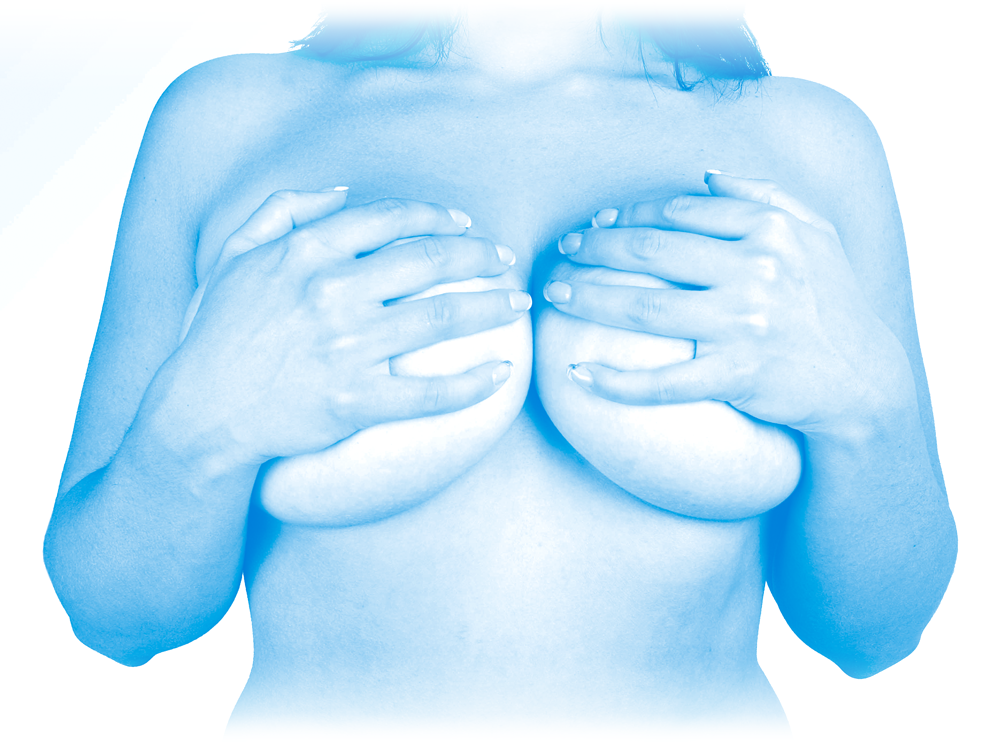
Breast hypertrophy can occur in women of perfectly normal body weight, although it is more common in women who are overweight.
Who is breast reduction for?
The perception of breast hypertrophy varies greatly from one woman to another: for some, a very generous bust is a symbol of femininity, while for others it represents an obstacle in daily life.
If your breast volume prevents you from dressing, finding a suitable bra, or practising desired sports, breast reduction is for you.
Breast hypertrophy can cause significant functional disorders including shoulder pain, as well as neck and back pain.
This condition causes women significant feelings of unease, reluctance to have intimate contact, difficulty in clothing choices, and represents a major obstacle to a woman's fulfilment.
What solution for overly large breasts?
The breast reduction procedure consists of reducing breast volume, reshaping them, repositioning them and lifting the breasts to make them more harmonious with the rest of the body.
The breast reduction procedure is well established and resembles mastopexy (breast reshaping).
Dr Weiss, Plastic and Cosmetic Surgeon specialising in breast reduction in Paris, will guide you to find the best solution adapted to your needs.
Principles of breast reduction
The notable difference between breast reduction and mastopexy lies in the fact that in reduction, the breast volume is reduced, the breasts are reshaped and lifted, whereas in mastopexy, only the shaping, reshaping and harmonious repositioning is performed.
The excess mammary gland is removed, the mammary gland is reshaped, and the excess skin is redraped and lifted onto the reshaped gland, elevated to its new position.
The nipple-areola complex is repositioned at the summit of the breast.
The often hypertrophied areolar surface is reduced, better shaped and harmonised with the new volume and shape of the breast.
Breast reduction scars generally have the shape of an inverted anchor (peri-areolar, vertical, and horizontal in the inframammary fold), similar to mastopexy scars.
The breast reduction procedure may be partially covered by the French social security system, and also partially by supplementary insurance.
The weight of gland removed must exceed 300 to 400g per breast depending on BMI.
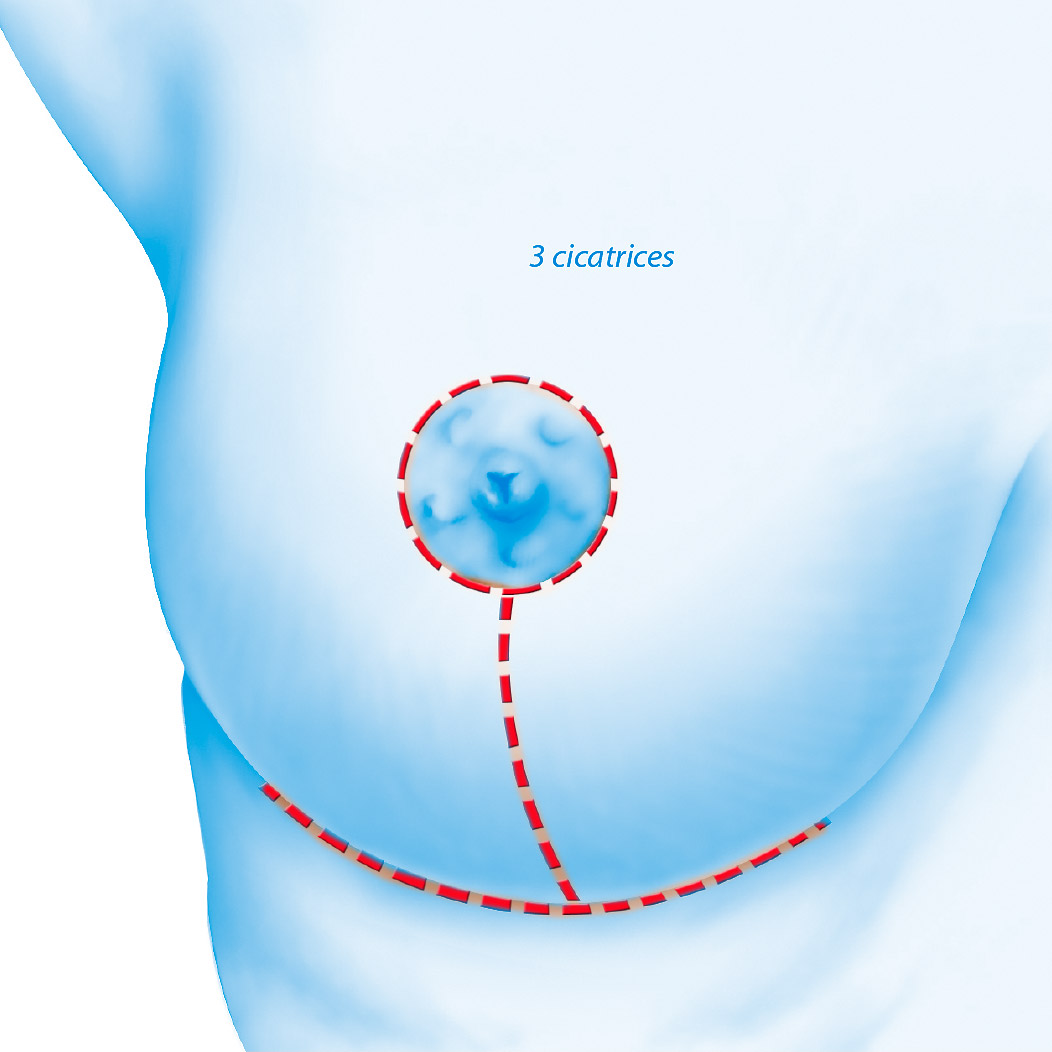
Breast reduction techniques closely resemble mastopexy techniques, and given their abundance, only a surgeon with the competence, knowledge and practice of different techniques can choose the technique best suited to your specific case.
Breast reduction is not recommended for at least 6 months after pregnancy or end of breastfeeding, to operate on a stabilised breast volume.
Ideally, breast reduction should be performed after completing all planned pregnancies.
Post-operative nipple sensitivity varies from person to person and 100% recovery is not guaranteed.
Breast reduction can restore harmony to a woman's body image.
The procedure actually begins from the very first moments of the initial consultation. It starts with establishing mutual trust and a deep understanding of the surgical approach.
Cosmetic surgery is not only the art of operating, but also the art of listening and analysing wishes, in order to meet the patient's expectations and achieve an optimal, harmonious and natural result. In two words: "bespoke".
It is necessary for the surgeon to understand the request and create a balance between the body and its perception. It is essential to guide or sometimes even refuse the operation when the request seems unreasonable.
Dr Weiss will precisely answer all your questions (hospital stay, procedure, anaesthesia, risks, post-operative follow-up, quote, etc.).
Dr Weiss will carry out a thorough anatomical examination. He will take into account your medical history and current condition. He will verify the feasibility of your request and guide you in your thinking about achievable results.
Dr Weiss will assess existing breast volume, proportions relative to your silhouette, skin quality (elasticity, tone, stretch marks), type of gland (fatty or glandular), and gland regularity.
Dr Weiss will present his opinion and discuss with you regarding your request. Guided by the most modern and safest technical knowledge, you will choose together the procedures that will give you the greatest satisfaction.
During this first consultation, photographs will be taken to assess harmony relative to your silhouette.
Dr Weiss will listen to your request, assess its feasibility and guide you so that you can achieve the optimal result.
This often coincides with the anaesthetist visit. You will complete and sign all necessary documents. You will proceed with pre-admission and room reservation.
During the 2nd consultation, you will redefine the optimal volume and projection of your future breasts.
A mammogram is essential to avoid operating on an underlying condition.
Practical information about breast reduction
There are few contraindications to cosmetic surgery. Apart from poor general health or blood-related problems such as anaemia or incorrect haemostasis, there are rare contraindications which will be explained by your surgeon if necessary.
As with any surgical procedure, it is advisable to reduce smoking, ideally stopping completely one month before and after the procedure. Aspirin and NSAIDs are prohibited during the two weeks prior to the procedure.
Yes
- Minimum 2 surgical consultations
- Anaesthesia consultation no later than 48 hours before the procedure
- Pre-operative assessment as indicated during consultation
- Mammography possibly combined with ultrasound
- Discontinuation of anticoagulant or antiplatelet treatment minimum 15 days before (in coordination with anaesthetists)
- Smoking cessation at least 30 days before (risks of poor healing and necrosis)
- Discontinuation of oral contraception at least 30 days before (thromboembolic risks)
- Dr Weiss personally operates in an operating theatre with maximum safety, approved to the strictest standards
- The operation is performed under general anaesthesia
- The operation lasts 2 to 4 hours, depending on the agreed procedures
- The removed excess gland is sent for pathological examination
- Aspirating drains for 24 hours
- A custom-fitted bra is placed at the end of the procedure
- Outpatient hospitalisation (same-day discharge). If necessary, the stay can be extended by one night.
- Dr Weiss personally ensures post-operative follow-up
- Nursing care not required
- Post-operative pain controlled with simple painkillers
- Showers permitted after removal of first dressing
- 3 days of rest planned
- Physical discomfort for two weeks
- Social downtime of 1 week (depending on individual)
- No mandatory sick leave
- Dissolvable sutures
- Special bra to be worn for a period indicated by Dr Weiss
- Plan a button-up shirt after the procedure
- Regular, closely-spaced follow-up consultations planned by Dr Weiss
- Gradual return to sport from the 3rd week. No team sports or excessive effort for 3 months.
- Sun exposure on scars prohibited (total sunblock) for 1 year
- Breastfeeding ability is very significantly compromised after breast reduction
- Pregnancy is possible after a one-year delay following breast reduction
- Result visible immediately, but final stable result requires 12 to 18 months
- As with any surgery, complications are rare but possible. They are detailed in the information sheets of the SoFCPRE.
- Performed by a qualified Surgeon in an approved clinic, breast reduction is a routine and safe procedure.
- Post-operative follow-up is essential, as a well-managed complication leaves little or no trace.
- Dr Weiss, wherever possible, personally ensures post-operative follow-up.
The 9 key points of breast reduction
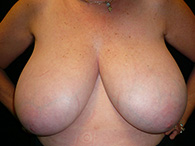
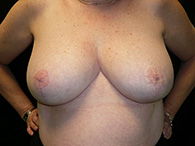
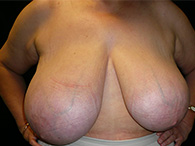
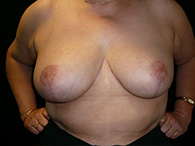
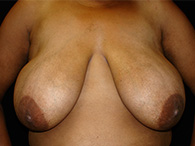
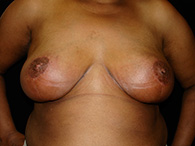
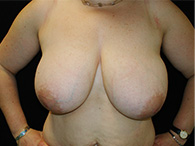
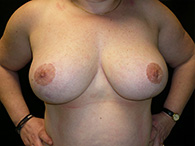
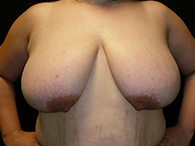
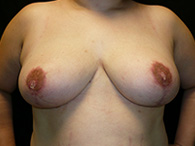
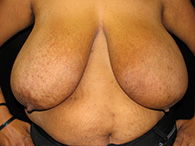
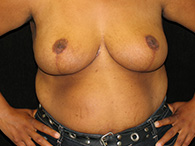
À propos des photos d'exemple et des photos avant-après
Les photos illustrant nos cas cliniques avant/après présentent des personnes consentantes et les mêmes patients y figurent, respectivement, pour le résultat avant/après. Ces photos n'ont pas été retouchées. Nous attirons expressément votre attention sur le fait que le résultat observé est propre à la personne concernée et qu'un résultat identique ne peut être attendu pour une autre personne, en raison de la propre individualité de chacun.

Patient reviews
Je recommande le Dr Weiss les yeux fermés : un médecin à l'écoute et de très bons conseils. J'ai fait appel à lui pour une liposuccion qui s'est très bien passé.
Le Dr Weiss est un chirurgien exceptionnel. Professionnel, à l'écoute et bienveillant. Son expertise et sa précision sont remarquables.
J'ai été opérée par le Docteur Weiss et je ne peux que le recommander les yeux fermés. C'est un médecin extrêmement professionnel, très compétent, à l'écoute.