Aesthetic Medicine
Aesthetic Medicine
All non-surgical treatments designed to enhance and rejuvenate the face and body fall under the category of Aesthetic Medicine. Apart from injections, aesthetic medicine does not penetrate beyond the dermis. Aesthetic medicine can be performed as a standalone treatment or may sometimes be combined with cosmetic surgery to refine and improve the final result. It can complement cosmetic surgery.
Aesthetic medicine is a very broad field, and to achieve satisfactory results, it should only be performed by physicians who are genuinely trained in this area.
It can diminish or improve certain moderate imperfections. Sometimes correcting these imperfections can significantly enhance one's self-perception. Aesthetic medicine has seen tremendous advances in techniques and equipment. It is the responsibility of qualified physicians to evaluate and perform the aesthetic medicine procedures that provide genuine benefits to the patient.
Discover the complementary techniques used by Dr Weiss in his practice





Concerns
With age, our face changes: convexity gives way to concavity, hollow areas and furrows deepen, the skin and muscles sag, the subcutaneous collagen mesh fractures, and fine lines and wrinkles appear. Apart from our genetic skin aging factor, three factors are extremely important: sun exposure, active smoking, and lifestyle including dietary habits.
These signs of aging affect both women and men equally.
Solutions
If you want to look refreshed without undergoing cosmetic surgery, aesthetic medicine is the right solution for you. It is a very common step before proceeding to surgery. This type of medicine helps reduce the marks of age, fatigue, stress, and often a general sense of unease. Of course, the results are proportional to the procedure; cosmetic surgery can never be replaced by aesthetic medicine, but before taking the step toward surgery, aesthetic medicine is an excellent solution.
Aesthetic medicine techniques can be grouped into several categories:
- Volume restoration or contour reshaping through injection of resorbable products, such as Hyaluronic Acid, or more lasting Fat Grafting (Lipofilling) (injection of your own autologous fat).
- Reduction of superficial wrinkles caused by overactive facial expression muscles can be managed through injection of various types of botulinum toxin, which by partially paralyzing the muscle, reduces the formation and depth of existing wrinkles.
- Improvement of skin texture, subtle spots and minor irregularities: Chemical Peels (especially medium-depth peels) can regenerate the superficial layer of the dermis; they can be compared to a severe sunburn. The correction is nevertheless quite moderate.
- In cases of scars or pigmented spots, Lasers may be used.
- For other indications, lasers have never truly demonstrated their usefulness and effectiveness compared to other available techniques.
- There are other more anecdotal techniques such as Thermage, Ionization, and Light Therapy, which have never proven their effectiveness.
The injection of Botox and Hyaluronic Acid in France is strictly regulated. Physicians authorized to use them include cosmetic surgeons, dermatologists, face and neck surgeons, maxillofacial surgeons, and ophthalmologists.
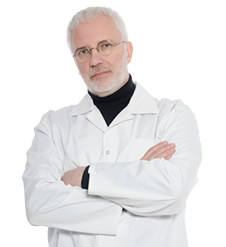
Dr Weiss, cosmetic surgeon in Paris, is authorized and trained to inject both types of products. Aesthetic medicine injections are strictly regulated because they penetrate the dermis and can therefore only be performed by physicians. Injections performed by a plastic, reconstructive, and aesthetic surgeon or by another authorized practitioner are considered routine procedures with rare (but possible) complications.
Patient reviews
J'ai réalisé une rhinoplastie avec le docteur Waldemar Weiss en septembre 2025 et je suis absolument ravie du résultat, c'est harmonieux, naturel et exactement comme je le souhaitais.
Le meilleur chirurgien que j'ai rencontré ! Je le recommande à absolument tout le monde. D'une gentillesse rare, drôle, rassurant, ultra à l'écoute et incroyablement compétent.
Ma femme a réalisé une liposuccion avec le Dr Weiss et tout s'est parfaitement déroulé. Chirurgien très professionnel, à l'écoute, rassurant et extrêmement sérieux. Le suivi est impeccable.